In July 2021, an economic-press outlet interviewed Pro Logic International founder Thomas Leung on brand building, pandemic transformation and Greater Bay Area opportunities. The following is an edited transcript.
How did Pro Logic International get to where it is today, and why build your own retail brands?
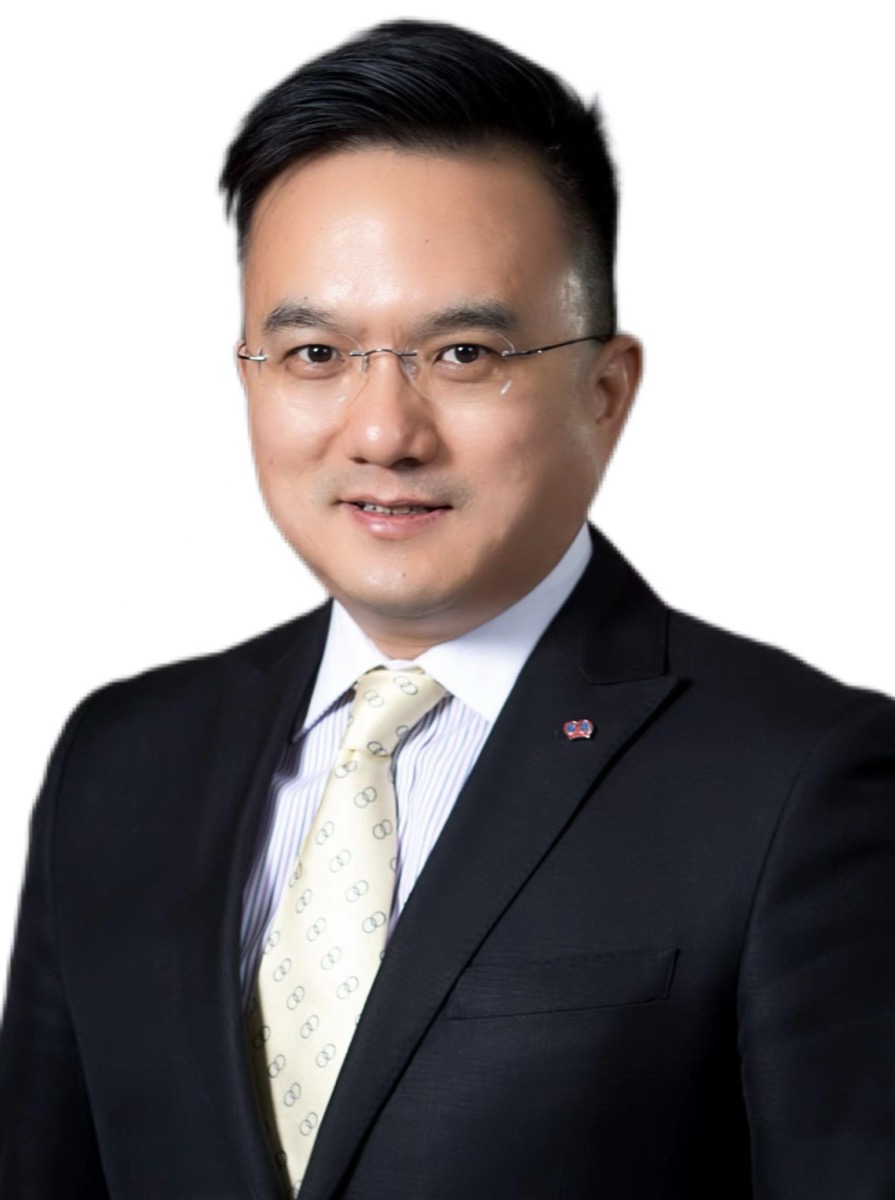
We were founded in 2000 around one core idea: solving household problems so consumers have more time to enjoy family life. Today we run own-brand retail across Hong Kong, Macau and the mainland, with five brands: smart kitchen appliances Primada, creative homeware Pro Logic, intelligent robots Prologic Robotics, kitchenware Home Make Taste and personal care Rogic. Primada and Pro Logic have both been awarded the "Hong Kong Top Brand" title by the Hong Kong Brand Development Council, and our brands have entered Southeast Asian markets. We currently have 5 own stores, about 20 department-store counters, and roughly 500 selling points for Pro Logic products. Kitchen appliances remain our main business, at about 50% of revenue.
A brand is what lifts an SME's competitiveness past its growth bottleneck. Customers get to know a company through its products, but products only create short-term market effects; nurturing a brand gives products personality and a story, so customers remember you. Building a brand has never been easy — from positioning, brand image and packaging design to advertising strategy and sales channels, it takes enormous determination, effort and sweat, persisted to the very end.
What was the pandemic's biggest challenge for i+home, and how badly was business hit?
The hardest part was the first three months, when foot traffic at some physical stores collapsed and sales dropped nearly 30% — moving online takes time, and we couldn't make it up immediately. Once we adapted, we built our own live-streaming team and partnered with third-party online platforms, lifting online sales from low single digits to nearly 30% of the business. As the pandemic stabilised, the decline at physical stores narrowed; apart from lost exhibition income, full-year sales held roughly steady, down about 10%.
The appliance market is crowded. What's your marketing playbook — and your live-commerce lessons?
It starts with bringing in genuinely innovative smart products and finding each product's strongest selling point, then attracting customers on every front:
For live commerce to work: first, you must draw a large audience through trailers, sharing and advertising; second, viewers crave novelty, so you need a steady stream of new products; third, prices and gifts must be genuinely good value, or the comments will sink the whole show; fourth, the biggest costs are customer service and delivery, which must be tightly controlled to meet customer expectations.
Smart-living apps are a competitive field. How does the brand hold its ground?
Smart appliances are a lifestyle revolution — so much tedious housework can now be handed to machines, and an integrated ecosystem makes everything easier to use. Hong Kong is short on space and homes keep getting smaller, which creates very specific appliance needs. Developing for that reality has served us well: the Primada Cyclone Odor-Free Range Hood achieves zero fume-smell leakage, so stir-frying on high heat in an open kitchen doesn't affect the home — and we'll be adding gas and smoke sensors to upgrade it into a smart kitchen. Our mini window-cleaning robot is light and compact, cleans windows of any size automatically and stores away easily. And our vision-navigation robot vacuums and mops, and its flat profile cleans freely under low cabinets.
How much room is left for smart-home demand to grow?
This is only the beginning. It's a sunrise industry, still far from mass adoption, with enormous market space ahead — and that is exactly where we are heading.
What are the brands' goals from here — and your view on the retail outlook?
Each of our four brands has a clear position: Primada focuses on kitchen appliances, led by the odor-free range hood with increasing intelligence built in; Prologic Robotics will bring every product into our smart app and connect them over Wi-Fi for greater automation; Pro Logic will keep introducing practical new home-cleaning products; Home Make Taste will import more quality kitchenware. We plan several new stores so customers can experience smart-home products in person, and we'll expand into new categories such as pet products, lighting and smart plugs.
Hong Kong has extraordinary spending power, but with only seven million people the market is finite. The Greater Bay Area plans for a population of nearly 60 million, most with middle-class living standards — for us that is genuinely a new opportunity. Adapt to the region's regulations, understand its consumers, and I believe the growth prospects are substantial.
Discover Prologic Robotics' intelligent robot solutions